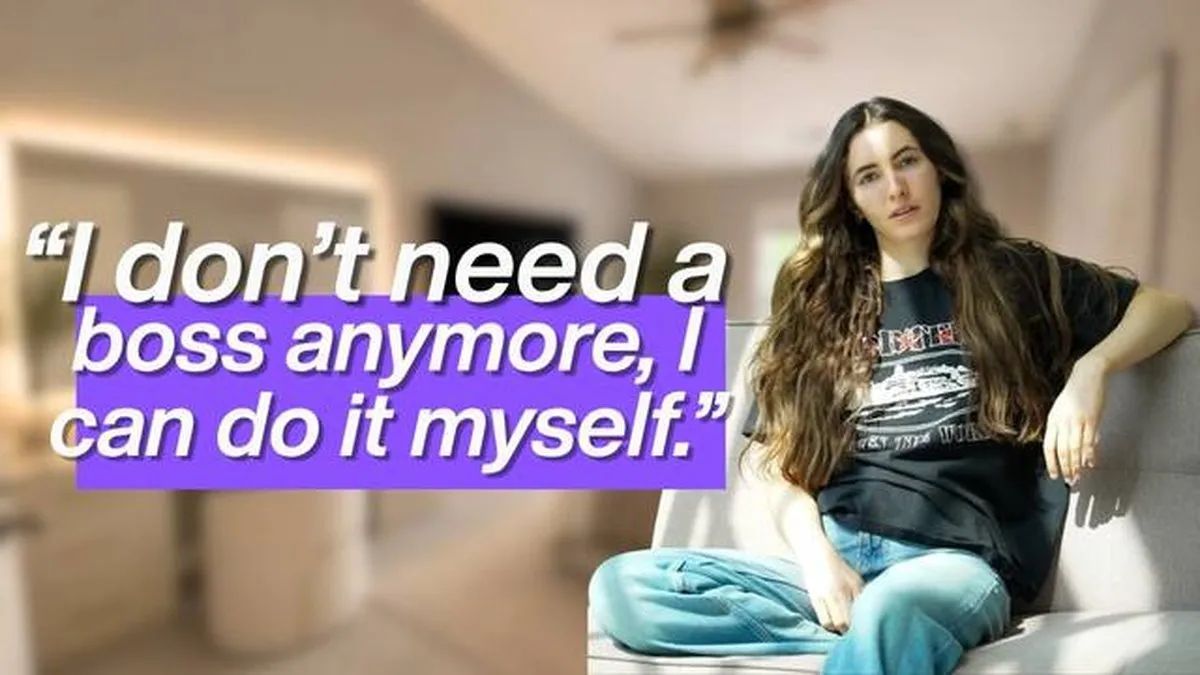
Do You Need Followers for UGC? I Got My First $1K Deal at 847
Key takeaways
- You do not need followers for UGC. The brand posts the video on its own account or runs it as an ad, so your personal audience size rarely comes up.
- Gloria landed her first $1,000 brand deal with 847 followers, and the brand never asked about her audience during the whole conversation.
- Annalise, a 22-year-old university student in London, got Meta as her first client through an application on Backstage and works with about 700 followers.
- Brands judge three things: content that converts, how well you understand their customer, and whether you are professional and reliable.
- Build a portfolio with real results on it, research the customer, and send pitches every week in place of chasing an audience.
For months I obsessed over growing my follower count before I pitched a single brand. I thought I needed 50K followers minimum to be taken seriously.
That was a complete waste of time.
My first $1,000 brand deal came when I had 847 followers. The brand didn't ask about my audience size once, in the entire conversation.
If you have a tiny account and you are asking "do you need followers for UGC," the short answer is no. The follower count and the paycheck sit in two separate places, and two creators from our channel show it from both ends. Annalise has about 700 followers, and her first client was Meta. Jaro had over 600,000 and still couldn't pay his rent.
Do you need followers for UGC?
No, you do not need followers for UGC. UGC stands for user generated content: short videos a regular person films on a phone, showing a product in use, that a brand pays for and then posts on its own pages or runs as ads. The brand distributes the video, so your personal audience stays outside the deal.
Influencer marketing works differently. An influencer gets paid to put a product in front of the people who already follow them, so the follower count is what the brand is buying. A UGC creator sells the video. For the full picture of how the two differ, start with what UGC is and how it pays.
Annalise has the plainest explanation I have heard. Her boyfriend still does not really understand what she does. When she explains it to people, she keeps it this simple:
Look, brand sends me product. I say good product because I've used it and it's great. I send brand back video. I don't have to post it on my socials. They pay me.
Annalise, UGC World channel, 0:20:28
Read the fourth sentence again. The video never touches her account.
How a uni student with a small account got Meta as her first client
Annalise is 22 and based in London. She first saw people talking about UGC while scrolling Instagram, and since she was always making random bits of content anyway, she gave it a go. Her first move was an application for paid work.
I think I applied on backstage.com to a quite a big one, which was working for Meta. And obviously that paid ridiculously well.
Annalise, UGC World channel, 0:03:32
Meta became her first client. She admits her first UGC video was "pretty crap," so she kept practicing and poured more effort into the videos she made for clients. When she was asked about her own audience, she said she has about 700 followers.
I've got 700 followers, and I've still had people contacting me saying that we'd like to work with you, cuz we saw your videos.
Annalise, UGC World channel, 0:11:14
On application platforms, she said, brands see her portfolio examples and don't even look at her social media. She went from a 9 to 5, to a part-time job at 30 hours a week, to UGC as her full-time job. Annalise told us her highest month was £7,500, about $10,000, on a personal brand she calls "pretty abysmal."
Apply for paid work with the portfolio you have today, and let the practice happen on the job.
Why 600,000 followers did not pay Jaro's rent
A big following does not turn into income by itself. Jaro is one of the biggest male travel creators online, and early on he thought going viral was what would bring the brand deals. When I sat down with him, he shared the part he thinks would blow people's minds:
I literally grew an audience of over 600,000 followers online and I still couldn't pay for rent.
Jaro, UGC World channel, 0:01:31
He was borrowing money from his parents and selling his things. His manager wasn't bringing in brand deals. Jaro told me he never knew what he would get paid next month or the month after, and he was doing zero outreach.
The switch came when he decided to go "find the brands that want to work with me, find the brands that need content, and be able to just fill that gap for them." The system he leans on most now is Apollo and Lemlist. He uses them to find the decision maker at any brand, then puts those people into email campaigns so he can send as many pitches as he wants.
So Jaro's 600,000 followers paid nothing steady while he waited for brands to come to him. Annalise has about 700 followers and a weekly pitching habit, and her work comes from applications, emails and repeat clients.
What do brands look at instead of your follower count?
Brands look at three things when they hire a UGC creator: whether your content converts, whether you understand their customer, and whether you are easy to work with. Once I saw that, I stopped spending my hours on my follower count.
-
Content that converts. They care whether you know how to make a video that drives sales. Show them videos that stopped the scroll, got comments or drove action. Portfolio examples built on conversion principles matter more than vanity metrics.
-
Understanding their customer. A creator who gets the target audience will always beat a bigger creator who doesn't. If you pitch a skincare brand for busy moms, write about busy mom problems in your pitch: their pain points, the words they use, their daily struggles. That research impresses a brand more than any follower count.
-
Professional and reliable. Deliver on time, take feedback well and communicate clearly. Brands hire creators who make their jobs easier. Being responsive, organized and drama-free is worth more than being Instagram famous.
Before your next pitch, run it against those three. Is there a video in your portfolio that shows you can drive action? Does the email name the customer's problem in her own words? Did you say when you will deliver?
Annalise's version on the channel (0:11:14) was one line: "if I can do a good job, I can do a good job, cuz it's not meant for my socials, it's meant for yours."
What brands care about less than you think
Most of what beginners stress over lives on your personal page, and brands spend almost no time there. Cross these off your worry list.
-
Perfect lighting and setup. iPhone content can outperform studio videos because it feels authentic. Brands want videos that blend into a social feed and don't scream "professional ad."
-
Trending audio and dances. Most UGC runs as paid ads, where trending audio doesn't matter. Put that energy into a strong hook (the first line or shot that stops someone scrolling) and a clear message.
-
A perfectly curated grid. Your personal grid does not need to be perfectly curated. Your UGC portfolio is the part that needs variety and proof that your videos can sell.
The one exception is influencer marketing. If a brand specifically wants to reach your audience, that is a different service, and Annalise agrees an influencer "probably" needs a bit of a following. For UGC, the brand is buying the video.
How to start UGC with no followers
Start with a portfolio, a niche you know and a weekly pitching habit. That is what I built once I quit chasing 50K, and Annalise's and Jaro's stories point the same way.
Put results on your portfolio. Annalise noticed (0:16:22) that "a lot of people will upload their pretty videos, but they won't say what the actual statistics of that video were." One of her videos hit 34 times ROAS (return on ad spend, meaning the ad brought back 34 times what the brand spent running it), so she put that number right on her portfolio. She says it was very helpful. If you have zero client work yet, here is how I would build a UGC portfolio with no experience.
Use what you already know. Annalise has pets, lives in the countryside and loves wellness, and she works anything she knows well into her content. I went deep into specific niches the same way. Knowing a customer from the inside is the research brands notice.
Pitch every single week. Annalise emails the person in charge at brands, applies through creator platforms like Backstage, and set up systems so emails go out every single week. Jaro runs his through Apollo and Lemlist. For the exact first email, read how to pitch brands for UGC. To see it from the brand's side, read how brands find UGC creators.
Do great work so they come back. Repeat clients are now one of Annalise's main sources of work.
If I've got a client and I did a good job for them, more often than not, they'll come back.
Annalise, UGC World channel, 0:12:16
She calls it a snowball. You apply to a lot at first, you get a yes, you do a good job, and the client returns.
Your checklist for this week:
- Film three practice videos for products you already own, each with a clear hook.
- Write down the problems, words and daily struggles of one customer type you know well.
- Make a simple portfolio page and add any real numbers you have.
- Send pitches to five brands, then book a weekly slot to keep sending.
How much time does UGC take when you have a job?
You fit it into the cracks of your week. Annalise built UGC around her job by applying in the evenings, in the mornings and on weekends. In her words (0:13:47), "an hour or two a week is better than nothing."
She treated it as a temporary sacrifice: an hour or two in the evening now, so the work would give her far more time back later. Once she was making decent money from UGC, she dropped to a part-time job. When UGC paid more than that job, she made the jump.
Pick your hour now. Put it in your calendar for this week and spend it on the checklist above.
Why I stopped chasing 50K followers
I put my hours into four things in place of growing my page: portfolio videos that showed conversion principles, deep research on brands and their customers, professional communication and delivery systems, and expertise in specific niches.
The result was $500 to $2K deals coming in consistently. At the same time, creators with 50K+ followers were still accepting $50 gifted collabs, which means free product in exchange for content.
Stop worrying about follower counts. Start worrying about business fundamentals. Brands pay for results, not reach.
Gloria Stonelake, UGC World community post, 2025-08-25
Your follower count can stay exactly where it is today. Spend this week on the portfolio, the customer research and the pitches.
Disclaimer: The stories in this post are real people describing their own results. They are examples, and your income depends on your own work, skills and circumstances. Nothing here promises any specific result.
Gloria
Frequently asked questions
Do you need followers to be a UGC creator?
No. In UGC the brand posts the video on its own page or runs it as a paid ad, so your account size is beside the point. Gloria landed her first $1,000 deal at 847 followers. Annalise's first client was Meta, and she has about 700 followers today.
How do you get UGC clients with no followers?
You show brands a portfolio of sample videos and pitch them directly, by email or through creator platforms. Annalise applied on Backstage and emailed the person in charge at brands every week, and repeat clients now bring in a large share of her work. Jaro used Apollo and Lemlist to find decision makers and email them.
What is the difference between a UGC creator and an influencer?
An influencer gets paid to show a product to their own audience, so follower count matters for that work. A UGC creator gets paid for the video itself, and the brand distributes it. As Annalise put it, the video is meant for the brand's socials and never has to touch hers.
Does a big following help with UGC at all?
It helps less than people expect. Jaro grew a travel audience of over 600,000 followers and still could not pay his rent until he started pitching brands directly. Control over his income came from doing outreach.
About the author. Gloria Stonelake is co-founder of UGC World and Head of Creator Talent. She took home over $150K in one year from UGC, then built the agency brands pay to staff their campaigns with trained creators. Meet the UGC World team.
UGC World is a personal and business finance education and training company. Results described here are the experiences of the named creators and are not typical. Success depends on implementation and effort. We do not make claims about what you should expect to make.

