How to Make High Quality UGC Videos Brands Pay More For

Co-founder, UGC World
Key takeaways
- Esther Schmidt, a 19-year-old music student, had pitched over 300 brands with no deal. Gloria's diagnosis was that no reply means a pitch problem or a content problem, so she audited both.
- A $10 CPM-style video and a $250 brand video need different effort. Gloria says a video for a brand paying a $200 base has to look like a $200 video.
- Gloria's strategic UGC framework runs hook, problem, solution, benefits, call to action, with a new visual about every 2 seconds and shots that cover more than just sight and sound.
- A hook has two parts, the concept and the relevance. Widening the relevance to people who have never used the product gives a video a larger audience to land with.
- A good pitch email has three short paragraphs, a niche-specific idea in the middle, and the tone of a text to a friend.
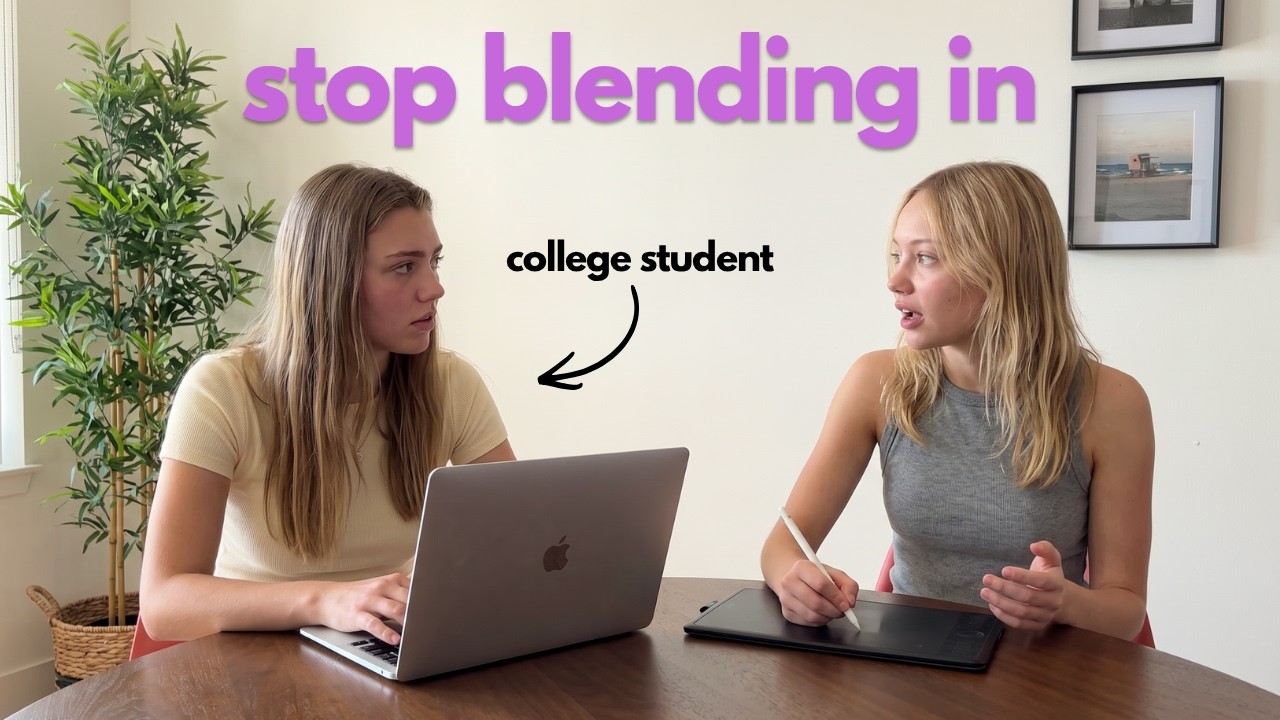
Esther Schmidt is 19, lives in Spring City, Utah, and studies viola performance as a full-time college student. When she sat down for a private session with Gloria, she had been making UGC for about three months and was earning roughly $300 a month from one campaign. A $1,000 a month contract had ended when the brand dropped her, and she had a call coming up about another one.
Her goal was clear: $2,000 to $3,000 a month first, then $5,000. She was also discouraged, because she had pitched over 300 brands, gotten a few replies and never landed an actual deal.
Time, she said, was the biggest thing holding her back. Gloria ran a full audit of her week, her pitch and her portfolio, and it turned up more than a time problem. What follows is that audit, written as a guide to making high quality UGC videos: short videos shot on a phone that a brand pays to post or run as an ad.
A high quality UGC video has a hook that stops the scroll, a clear problem and solution, one or two real benefits, close-up shots that show the product, and a new visual about every 2 seconds. Gloria's audit of Esther's portfolio showed how much effort separates a $10 video from a $250 one.
[[VIDEO:7U63quPppC4]]
What is the difference between a $10 UGC video and a $250 one?
A $10 video is built for reach, and a $250 video is built to sit on a brand's own page for a long time. They need different effort, and most beginners use the first kind of effort on both.
Esther's portfolio was full of CPM-style videos. CPM here means cost per thousand views: she told Gloria she earned about a $10 base per video plus a payment tied to views. Those videos are low effort by design.
Brands paying a $200 base look for something else, and Gloria told Esther exactly why they were passing on her.
These companies that want a $200 per base video, it has to look like a $200 video. -- Gloria, 0:30
She summed up the gap in one line.
You have the mindset of a $10 video and you're bringing it into the new industry, the new kind of UGC. -- Gloria, 1:00
Gloria also showed the other end. She played a skin care video from a $1,000 collab, where she says she was paid about $250 for the few videos she made for that brand. Two years later, Gloria says, she still works with the brand and has made more than 10 videos for them. She says the 42-second video took about two hours to make, which she worked out to over $100 an hour.
Pick one video in your portfolio and ask whether a brand paying $200 or more would believe you made it.
Why are brands not replying to your UGC pitches?
Gloria's rule is that silence from brands is a pitch problem or a content problem. She says there is no in between.
It's either a pitch problem or a content problem, right? No in between. -- Gloria, 20:56
Esther read out her pitch stats from her sending software. About four in ten brands opened her emails, and two in a hundred replied. Gloria read that as a pitch that gets opened and then loses the reader. Her reasoning was that if roughly 150 people opened the email and almost none replied, the email was not doing its job, so sending more of the same would not help.
Gloria also pointed at the habit behind it. Esther had used one general beauty pitch for every brand, hoping to save time. Gloria asked whether it had saved time, given that the two of them were now fixing it two months later. Then she gave her a line from the military.
Slow is smooth and smooth is fast. -- Gloria, 34:58
If you have pitched a pile of brands and heard nothing, read why brands are not replying to your UGC pitch and check how many brands open your emails and how many reply before you send another batch.
How do you write a UGC pitch email that gets a reply?
Keep it to three short paragraphs, aim it at one type of brand, and put your specific video idea in the middle. Gloria calls the second paragraph the winning one.
Esther's email had four paragraphs and a vague idea: a 30-second demo with a testimonial. Gloria said more than three paragraphs reads like a college essay that nobody finishes.
Her fix, step by step:
Paragraph one: open with a hook about the brand. Say where you found them and what you liked, in a way that fits the whole niche. Add a soft offer of a few UGC ideas.
Paragraph two: give the idea, what it will do for them, and why it works. Gloria's example for a skin care brand was a 60-second reaction video putting on the product and showing how smooth it feels, to bring a better return on their ads.
Paragraph three: your proof, then a question.
The tone matters as much as the structure. Gloria said Esther's email had no energy and read as AI-written, and told her to bring some in.
Make your pitch sound like you lifted up your phone and just texted them. -- Gloria, 33:58
The same email also needs a package. Esther makes around 30 videos a month for clients, and Gloria pointed out that this was the offer. In Gloria's words, a brand used to three videos a month from a creator would see 30 as a very different offer. For wording you can copy, see a UGC pitch email template.
 Watch Gloria break this downhere’s how i would grow to $5k/mo creating UGC as a college student.. (private 1:1 session)Watch on YouTube →
How do you research a brand niche in ten minutes?
Look at what the brands in your niche are already running as ads, then pitch the style they already pay for. Gloria says this takes about 10 minutes.
She showed Esther how. Search for the Facebook ad library, choose the United States and all ads, and type in a brand you like. Esther chose Kosas, and the ads that came up were relatable, low-edit, TikTok-style videos.
That one search changed the pitch. Gloria said that is how she learned early on that AI software companies wanted product demos and not testimonial reviews, so she learned to reach out with what each brand needed.
She also told Esther to split her beauty pitch into smaller niches such as hair care, skin care and makeup. Brands inside one niche tend to want similar things, so a pitch built for the niche reads as if it was written for the reader. Gloria says you can repeat this for any new niche by looking at the ads of about five favorite brands before you write.
What is the strategic UGC framework?
It is a five-part script structure: hook, problem, solution, benefits, call to action. Gloria says she went through it carefully in her own skin care video, and she used the video to show Esther each part.
Hook: pulls someone in, for example through a problem or pain point.
Problem: what the buyer is struggling with.
Solution: the product.
Benefits: the top few reasons it works.
Call to action: tells the viewer what to do next.
Gloria then added the five senses. A video only covers two of them, sight and sound. Her question for Esther was how to bring in touch, taste and smell.
In the skin care video, close-up texture shots made it look satisfying, so a viewer wanted to touch it. For a strawberry-scented product, she would put a cut strawberry next to the bottle.
Then comes the visual pace.
Every 2 seconds you must have something new. -- Gloria, 59:00
Her skin care video opens with a split screen of three stacked panels, applies the cream on camera within the first 10 seconds, and layers in a website screen recording, reviews and a green screen. She also used a mask in CapCut, which lets a second visual sit in a corner while you talk.
Gloria says she made a full PDF breakdown of this video, and she tells creators to dissect their own videos the same way.
For more on structure, see how to write UGC hooks.
How do you write a UGC hook that reaches more people?
Write it in two parts, the concept and the relevance, and make the relevance wide enough that someone who has never used the product still stops. Gloria drew this out on a Miro board for Esther.
The concept stays the same. In Esther's tanning video it was "I found a self-tanner."
The relevance is how many people the line speaks to, either nearly everyone or a small group. Esther's original hook listed dye-free, non-staining, non-toxic and acne-safe. Gloria said that is a lot for a first line, because it speaks only to the few people who already care about all four.
Her test is to picture a cousin who has never used self-tanner. What would make her stay? Gloria's examples:
- Modeled on one from her 100 viral hooks list: "Why are people going crazy over this normal looking self-tanner?"
- Wider, for everyone: "This product turned my skin orange," then a comparison with the one that gave a glow.
The same logic fixed Esther's hair video. "Struggling to get heatless curls" speaks to a small group, while almost every woman does her hair in the morning. Esther said that video got about 1,000 to 2,000 views, and Gloria's guess was that a broader line would have brought around 10,000. That is her estimate on a single example video, not a measured result.
She also said that with CPM or high-volume work you do not have to change your visuals, only what you say. More on how those deals work in CPM vs flat rate UGC.
How do you find time for UGC when you are in college?
Map your week first. Gloria's time audit showed that Esther had far more room than she believed, and that the real loss was in how long small tasks took.
Esther woke around 6:45 to 7:45, had classes until about 5:30, practiced her viola for two hours, and started UGC around 7:00 p.m. for about an hour. Gloria asked how long packing a lunch, choosing an outfit and getting ready for bed really took. Esther said about 30 minutes in total.
That left a block between roughly 8:30 and 10:30 that she spent scrolling while multitasking. Gloria's plan:
- Group UGC into one block, 7:00 to 9:30 p.m., then 9:30 to 10:30 to get ready for bed.
- Leave Thursday (choir) and Sunday (family) alone so she would not burn out.
- Use Saturday, about 10:00 to 4:00, for a long UGC day once her move was done.
Her count was about 16 hours a week. Each day gets one main task from this list: pitch, create content, make personal brand content, update the portfolio, or run a post-mortem, which means reviewing last week's content so you can improve. Post one video and check brand emails every day.
Gloria also asked Esther to journal for about 15 minutes at the end of each day: where am I, what is blocking me. And she gave her a standard to hold: do not let a problem sit for two months when you can solve it in 24 hours. For setting up your week, see how to organize a UGC business.
What did Esther plan to do next?
She planned to pick one video from her portfolio and recreate it with what the session covered.
Esther said she would pick one of her portfolio videos and recreate it with the new mindset, and that she now knew the steps to make it better. Gloria's closing view was that the best brands go to the best creators, so the work ahead is becoming a better creator.
If you are where Esther was, two things are worth doing this week. First, write down how many brands open your pitch emails and how many reply. Second, pick your best video and ask whether it would convince a brand paying a real base rate or only suits high-volume CPM work. The answer tells you whether to fix the pitch or the content, the two causes Gloria names.
Keep watching on YouTubehere’s how i would grow to $5k/mo creating UGC as a college student.. (private 1:1 session)Watch now →Subscribe to Gloria UGC on YouTube for a new breakdown every week.
Frequently asked questions
What makes a UGC video high quality?
In Gloria's audit, a high quality video has a hook that stops the scroll, a clear problem and solution, a few real benefits, and a new visual about every 2 seconds. It also shows the product with close-up texture shots and proof such as reviews or the brand's website, instead of only talking to the camera.
How long should a UGC video be?
Gloria says many of her videos land around 42 seconds, because people have short attention spans and need a strong hook and fresh visuals. The $250 skin care video she breaks down in the session is a 42-second video.
Why are brands not replying to my UGC pitches?
Gloria says the cause is a pitch problem or a content problem, with nothing in between. Look at how many brands open your email and how many reply. In Esther's case the emails got opened and almost nobody replied, so the middle paragraph with her video idea was the first place to fix.
What is the difference between CPM and traditional UGC?
In CPM work, the creator gets a small base per video plus a payment tied to views, and the goal is reach. In traditional UGC, the brand posts the video on its own page or runs it as an ad, the base is higher, and the creator can be paid for usage rights. Gloria says the second kind needs near-perfect effort on music, visuals and script.
How many niches should one UGC pitch cover?
One. Gloria told her student to split a general beauty pitch into skin care, hair care and makeup, and to check each niche's current ads before writing. A pitch aimed at one type of brand reads as if it was written for them.
Written by
Gloria Stonelake
Co-founder, Head of Creator Talent
Gloria took home over $150K in one year from UGC, then built UGC World and the agency brands pay to staff their campaigns with trained creators.
UGC World LLC teaches people how to film short product videos for brands. Results vary with each person's effort, skill and market. We do not promise any income, job or brand deal.
