Will AI Replace UGC Creators? What Brands Told Me After Testing It
Key takeaways
- Several companies that tested AI creators told Gloria the same thing: they do not want it representing their brand, because it looks robotic, the tone feels off and there are too many bugs.
- Gloria has had UGC clients come back to her after trying AI, saying they needed a human who can think for themselves and bring real pain points into the video.
- AI puts interchangeable work at risk first. Creators who bring lived experience, real stories and cultural nuance get filtered for, and fake AI before-and-afters put a creator's reputation with brands on the line.
- As AI-perfect content floods the feed, flawless gets cheap and a real person on a phone in a real kitchen becomes the scarce thing brands pay for.
- Gloria says adapting with AI tools like ChatGPT or Claude is fine. Let AI handle structure and the small stuff, and keep your face, your voice and your story human.
A handful of companies came to me after they tried swapping their human creators for AI ones. Every single one told me the same thing: they did not want it representing their brand.
Each had run the experiment that scares so many new creators. They tried AI creators, the generated faces and voices that read a script about a product as if they were a real customer. Then they reached out to me personally. I shared their verdict with our community:
I've had a handful of companies reach out to me personally who've tried using AI creators, and every single one of them said the same thing: they don't want it representing their brand. It looks robotic, the tone feels off, and there are too many bugs.
Gloria, Skool post, 2025-10-16
Some of my own UGC clients did the same thing. They went off, tried AI, and came back to me saying it was not worth it, because what they needed was a human being.
So when someone asks me whether AI will take their spot, I answer from what brands have said to my face. UGC (user generated content) is short video that regular people film on their phones, which brands pay for and run as ads or posts. AI wants a piece of that work, and the brands I hear from say it has not earned it.
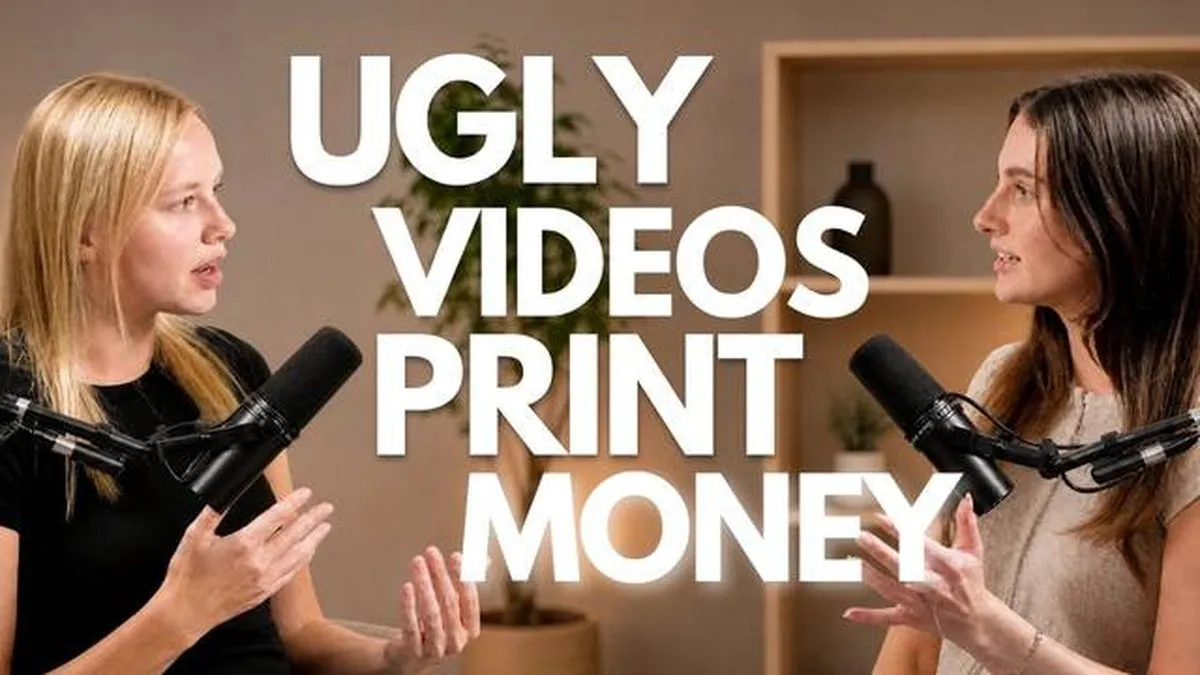
I talked this through with my friend Sav in Miami. She is 21, a full-time creator and a TikTok Shop affiliate. The AI part starts at 18:49.
Will AI replace UGC creators?
No. The brands paying for content keep coming back to humans. AI will eat generic, interchangeable videos first, and it raises the bar on what a real creator has to bring: a real face, a real story and real judgment about the customer.
I don't think AI is going anywhere. Sav expects brands to try cutting creator costs with as much AI as they can, and a small percentage of companies will go to AI tools and AI avatars.
What a brand cannot buy from AI is trust. In that October post I said we are still years away from AI being "crazy good." I also said there will always be a market for non-AI UGC creators.
If the fear underneath this question is that you showed up too late, read my take on whether UGC is saturated next.
What do brands say after they test AI creators?
The companies that reached out to me after trying AI creators had three complaints: it looks robotic, the tone feels off, and there are too many bugs. They did not want it representing their brand.
My returning clients told me what they wanted instead. Here is how I described it to Sav:
I've had UGC clients come back to me after trying AI, being like, no, it's not worth it. I need a human being. A human being that can think for themselves, a human being that can add creativity, natural human pain points in it.
Gloria, YouTube, 21:31
What they described is a person who thinks about the customer. A brand pays you for a person who understands who is buying and can put that buyer's pain point into the script.
Earlier in the same conversation, Sav put it this way. Plenty of creators can make a pretty video of a viral foundation. The creators who print the most money gear the entire script toward the girl who wants that foundation because it covers acne. She hears it and thinks, you're talking to me.
Do that before every script. Write down who buys the product and the one problem it solves for them, then build the video around that problem.
Brands notice when you work like that. One brand I work with told me this:
Gloria, you're not a creator for our company, you are a part of our company.
A brand Gloria works with, as Gloria shared in a Skool post, 2025-10-16
No brand will ever say that to an avatar. For more on what wins brand work, see what brands look for in UGC creators.
Can people tell when a UGC video is AI?
Yes, most people can. I asked Sav whether people trust AI content, and she did not hesitate:
It might not seem like it's recognizable, but to the average person, unless you're a grandma, it's very recognizable. You can tell when a video is AI.
Sav, YouTube, 19:26
My gut says the same. Even as AI gets better, I get a gut feeling, almost a sixth sense, that tells me a video is fake. Viewers carry the same radar, and when a video feels fake or feels like an ad, they keep scrolling.
Picture a supplement company with 30 years of trust built up with its audience. It runs an AI avatar saying the supplement changed its life. The second that audience realizes an AI avatar was used to get them in, the company loses that trust.
Sav went further. Right now, she said, brands will try to maximize earnings by cutting creator costs and using as much AI as they can. Then they will lose customers who stop trusting them, and they will need real, authentic creators again.
Treat your realness as the product, because it is the one part of the video a brand cannot generate.
Where does AI actually hurt UGC creators?
AI hurts creators in two places: generic work anyone can make, and creators who use AI to fake results. You control both.
Start with generic work. Nina Curtis, one of our most active community members, answered this question in our community and I agreed with every word. Her point was that every big tech leap set off the same fear, and none of them wiped out human work. They moved the value around.
In her words, the risk is that interchangeable work gets automated first. Web2 did not eliminate writers. It eliminated undifferentiated writers.
Run this test on your portfolio. If a video reads the same script anyone would write and would work with any face reading it, AI competes with it. Rewrite it so it carries your lived experience and your take on the product, because that is the work brands filter for.
The second place is faking. When I asked Sav how she sees creators using AI, she told me this:
What I've seen is a lot of creators using AI to create before and afters that are fake or try to create videos with AI or try to use AI to clone themselves.
Sav, YouTube, 22:05
She also watched people she knows personally make a lot of money fast creating AI content. Within three months, she said, their accounts got banned, their money got locked up and brands did not want to hire them.
Sav's view is that plenty of brands, and the high-quality ones that pay well in particular, do not want creators who lie, scheme or lean on AI. They want someone who represents their brand well. So never fake a before-and-after, and never post an AI clone of yourself.
Why are real, messy videos about to be worth more?
Real videos gain value because AI makes perfect content free and endless. When anyone can generate a flawless studio-looking ad in thirty seconds, flawless stops standing out, and a real person on a phone becomes the rare thing.
Sav learned the polish lesson the hard way. When she started UGC, she bought a Sony camera for $800 because she thought it would make her more money. In reality, she told me, the pretty polished content is not what works in UGC. The real, authentic content converts, because the target audience feels called out.
Then in July I made this prediction to our community:
the value of "perfect" is collapsing, because perfect just became free and endless.
Gloria, Skool post, 2026-07-11
Think of stock photos. Once there is an endless supply of something, nobody pays a premium for it. AI-perfect faces, lighting and skin are the new stock photo.
What makes people stop scrolling flips with it. Here is how I put it in the same post:
a real, slightly awkward human on a phone, in a real kitchen, with a real pause in the middle of her sentence, becomes the rare thing.
Gloria, Skool post, 2026-07-11
People can smell AI content, and they don't trust what they can smell. That too-smooth, no-real-person feeling makes them scroll, and your shaky hand, un-retouched skin, real voice and imperfect lighting make them stop.
So stop trying to look professional, because professional is about to be automatic. Film on your phone in the room you actually live in, and keep the pause. I go deeper on this in aesthetic UGC versus raw UGC.
How should UGC creators use AI without losing trust?
Use AI for structure and the small stuff, and keep everything the viewer sees and hears human. That is where I draw the line.
After Sav told me about the fake before-and-afters, I gave her my own take on tools like ChatGPT and Claude:
I don't think it's a bad thing to adapt with AI. If the current's going this way, use AI. Use ChatGPT, use Claude, whatever you need.
Gloria, YouTube, 22:05
AI is great at structure and efficiency, and you are great at vision and emotion. Let it handle the small stuff while you focus on storytelling and strategy. The script itself carries your own story and your own words. My UGC script template gives you a structure to start from.
The line gets crossed when AI replaces you in the content itself. Morals and integrity are personal, and some creators feel gross putting a fake AI image of themselves in a video. If something doesn't feel right to you, you have complete freedom to say no.
Integrity pays over time. My number one client is the hoodie company Cloud Nine Clothing, and their direct competitor once came to me with a $50,000 offer. At the time it was more than Cloud Nine was paying me. I had to make the tough decision, but honestly it was kind of easy to say no, so I stayed with my day one company.
So $50,000 turned into six figures by choosing my morals and integrity over myself.
Gloria, YouTube, 25:13
Brands see more than you think. They see your portfolio and your Instagram even when you never notice them looking. You only get one reputation as a UGC creator, so put your best work out there every time.
What does AI in healthcare teach us about AI in UGC?
In healthcare, AI assists diagnostics and does not replace clinicians. Nina Curtis is part of the healthcare field, and that was the heart of her answer.
She walked through the fields where trust matters, starting with her own. Lawyers let AI draft documents, and the licensed professional still carries the liability.
Schools have AI tutors and are doubling down on credentialed instructors anyway. Investigative journalism still relies on humans, because credibility is the product.
UGC follows the same logic, she argued. AI can generate content. It cannot generate accountability, lived experience or social trust, and our brains are still wired to judge authenticity through tiny cues.
Then she changed the question. Stop asking whether AI will replace creators and ask what human value in your niche cannot be automated. Write your answer down today, because it tells you what to put in your next video.
Five ways to stay ahead of AI as a UGC creator
Staying ahead of AI means doing more of what AI cannot do. These are the five I gave our community:
-
Be unapologetically human. Let your warmth, energy, quirks and expression show. A little unhinged comes off very human.
-
Tell real stories. Put your experiences, your lifestyle and your behind the scenes into your UGC. Nobody can generate your perspective.
-
Build relationships, not transactions. Learn the brand's mission, audience and goals. That is how a brand ends up calling you part of the company.
-
Blend creativity with systems. Let AI handle the small stuff while you focus on storytelling and strategy.
-
Focus on emotion over perfection. Most AI videos miss nuance, tone, audience and platform culture. You know the trends, the slang and the emotions behind a purchase.
The same human insight lets you add services on top of UGC, like creative strategy, agency work, ad management and social media management, and get paid more for them.
Keep one question in the back of your mind and answer it over and over: how can I make myself better than AI? If you are still deciding whether this whole path is real, start with whether UGC is legit.
This post shares Gloria's experience and the views of members of the UGC World community. It is not a promise of income or results. What you earn from UGC depends on your skills, effort and the brands you work with.
Frequently asked questions
Will AI replace UGC creators?
Gloria's answer is no, and her evidence comes from brands. Companies that tested AI creators told her they did not want it representing their brand, and some of her clients came back after trying AI. AI does put interchangeable, generic content at risk, so the creators who stay valuable bring a real story and a real perspective.
Can people tell when a UGC video is made with AI?
Sav, a full-time creator, said on Gloria's channel that to the average person AI video is very recognizable. Gloria described a gut feeling, like a sixth sense, that tells her a video is fake. When viewers sense a video is fake or feels like an ad, they keep scrolling.
Should UGC creators use AI tools like ChatGPT?
Gloria says adapting with AI is fine: use ChatGPT, use Claude, whatever you need, and let AI handle structure and the small stuff. The line she and Sav draw is at faking your own content, such as AI before-and-afters or AI clones of yourself. Brands that pay well want creators who represent them honestly.
What is AI UGC?
AI UGC is content made with AI tools that generate a fake person, called an AI avatar or AI creator, to talk about a product the way a real customer would. Brands try it to cut creator costs. Gloria and Sav both argue it costs those brands trust, because viewers can feel that no real person is behind it.
About the author. Gloria Stonelake is co-founder of UGC World and Head of Creator Talent. She took home over $150K in one year from UGC, then built the agency brands pay to staff their campaigns with trained creators. Meet the UGC World team.
UGC World is a personal and business finance education and training company. Results described here are the experiences of the named creators and are not typical. Success depends on implementation and effort. We do not make claims about what you should expect to make.

